

Pond Construction in Putnam County, Indiana
On Grade digs, shapes and seals farm and property ponds across Putnam County, Indiana, working out of Greencastle with the equipment parked in the same county as your ground. Travis walks the site, looks at the soil and the land draining toward it, and prices the dig from what he finds.
- Free estimates
- Based in Greencastle, Indiana
- One crew, first cut to final grade
Pond Construction in Putnam County, Indiana
Putnam County, Indiana is not one kind of ground, and a pond that works on one farm can be the wrong pond on the next. The north of the county is mostly flat and has largely been cleared for crops. Toward the middle and the southwest the land rolls, and the draws that carry water off it are still wooded. On flat ground most ponds are dug out below grade and fed by runoff or a tile line. In the rolling country a pond is more often built by placing an embankment across a draw, which is a different job with a different set of questions about the dam and the overflow.
The soil decides more than the shovel does. Clay-rich glacial till seals well and much of the county has it, but there is also ground where limestone sits closer to the surface than anyone wants, and the county has been quarried for that stone for a very long time. A gravel seam or a fractured ledge at the bottom of a dig is how a pond ends up leaking every dry August. We would rather find that out with a test pit than with a finished pond, and where the natural clay runs short a compacted clay liner keyed into the bottom and banks is the usual fix.
Every pond in the county also sits upstream of somebody. Water leaving these farms ends up in Big Walnut Creek, Mill Creek and the Eel River, which forms in the southwest of the county where Mill Creek and Big Walnut Creek meet. Mill Creek also feeds Cagles Mill Lake, the reservoir on the Owen County line also known as Cataract Lake, which was built as Indiana's first flood control reservoir. Where your overflow goes in a heavy storm matters to the neighbour below you, and it is part of how we lay a pond out.
If you own ground in Putnam County, Indiana and have been thinking about a pond for livestock water, fishing or just a view from the porch, call Travis at (317) 203-8928 or send the address through the estimate form. A rough idea of where you want it and a couple of photos of the low spot is enough to start.
Who to talk to in Greencastle before the dig
Landowners in Putnam County, Indiana have good help close to home, and asking costs nothing. The county's Soil and Water Conservation District and the NRCS field office share an office on Mill Pond Lane in Greencastle, and Purdue Extension's county office is on Central Square. The SWCD can talk through pond design for your site, and the NRCS field office gives technical advice on construction and upkeep. Purdue Extension points owners to its pond publications, ID-409-W and ID-410-W, and to the NRCS handbook Ponds: Planning, Design, Construction.
If the pond is for fish, the Indiana DNR district fisheries biologist who covers the county works out of Cikana State Fish Hatchery near Martinsville and is the right person to ask about stocking. We are happy to dig to a plan one of those offices helped you draw, and if you would rather start with us, Travis will tell you when a call to them first is worth making. Our own pond construction guide covers the same ground in more detail.
Dams, floodways and the state's interest in your pond
Most farm ponds are small enough that the state never looks at them, but not all of them, and the line is not always obvious from the field. The Indiana DNR Division of Water, through its Dam and Levee Safety section, regulates dams once they pass set limits on the size of the watershed above them, their height or the volume of water they hold. A downstream owner can also petition to have a dam classed as high hazard, and the owner of any dam is expected to keep it in safe condition.
Separately, Indiana's Flood Control Act requires written DNR approval before anyone builds, places fill or excavates in the floodway of a river or stream, unless the activity is exempt. Bottom ground along Big Walnut Creek or Mill Creek is exactly where that question comes up. We will not guess on your behalf: if the site is near a stream or the dam is a big one, check with the DNR Division of Water and the county before work is booked, and we will build to whatever they set. Every dig is also located through Indiana 811 first, which needs two full working days' notice.
Spoil, overflow and the finished edge
A pond dig produces a lot of dirt, and trucking it off the farm is usually the most expensive thing you can do with it. On most Putnam County, Indiana properties there is a better use within a short push: a pole barn pad, a berm along a road, a raised drive across a wet spot or a levelled paddock. We agree where it goes before the first bucket so it only gets handled once.
Every pond needs a planned way to let water out. That means an overflow pipe or standpipe for normal levels and a spillway cut around the end of the dam and stabilised, so a big storm leaves across grass and not over the top of the embankment. Banks get a gentle shelf at the edge and a steeper break below it, then topsoil, seed and straw so they hold instead of sliding in. If you are not sure whether your low spot will make a pond at all, call (317) 203-8928 and ask. It is a short conversation and Travis will tell you straight.
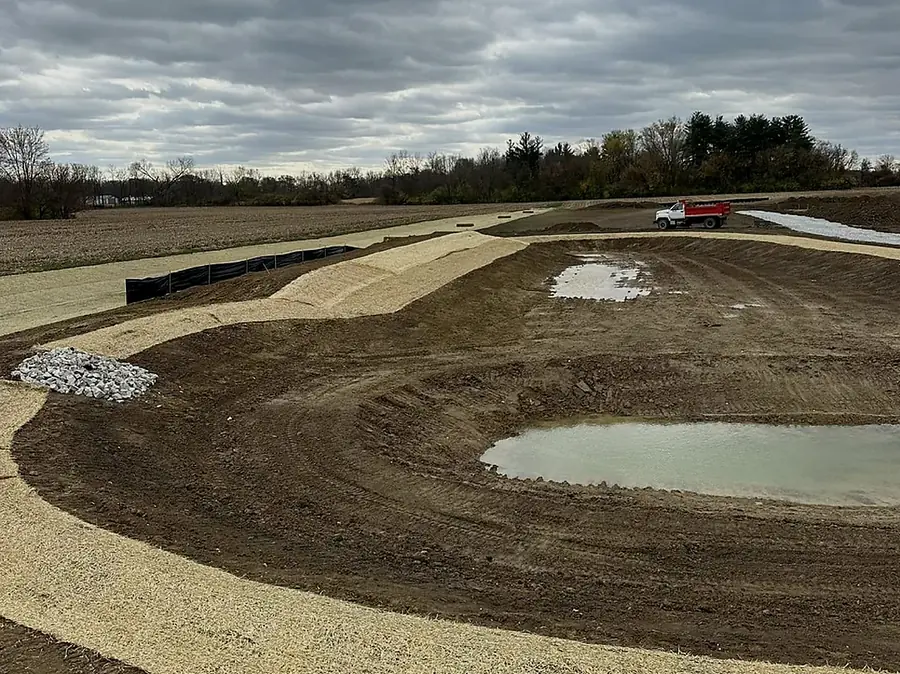
Pond Construction & Excavation: Digging, shaping and sealing farm and property ponds, with the spoil put to work rather than hauled off.
What the job covers
- A site walk to look at soil, slope and the watershed feeding the pond
- Test digging to check for sand, gravel seams or rock before the main dig
- Excavation and shaping of dug-out ponds and embankment ponds
- Compacted clay keyed into the bottom and banks where the natural seal is short
- Overflow pipe or standpipe and a stabilised spillway for storm flow
- Spoil spread, shaped or built into a pad or berm on your own ground
- Banks topsoiled and seeded so they hold through the first heavy rain
Town pages in Putnam County
Greencastle, Indiana
Town pagePutnam CountyCloverdale, Indiana
Town pagePutnam CountyBainbridge, Indiana
Town pagePutnam CountyFillmore, Indiana
Town pagePutnam CountyReelsville, Indiana
Town pageCommunities nearby
CountyPutnam County, Indiana
Home ground. Greencastle, Cloverdale, Bainbridge, Fillmore and Reelsville — the county the equipment sits in overnight.
See the countyFrom the first call to the final grade.
Call or text Travis
The address, roughly what you are trying to do, and when you need it.
A look at the ground
Most jobs need a look. Travis will arrange a time to come out, walk the ground with you and give you a number.
Located before digging
Anything that breaks ground gets located through Indiana 811 first.
One crew, start to finish
The person who strips the site is the person who sets the final grade.
Photos of the work.
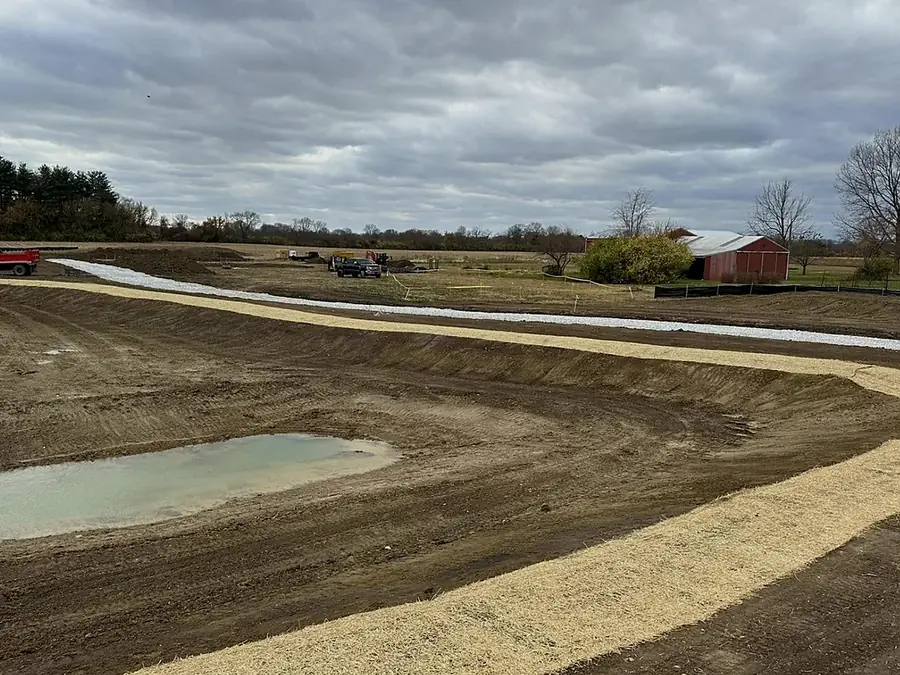
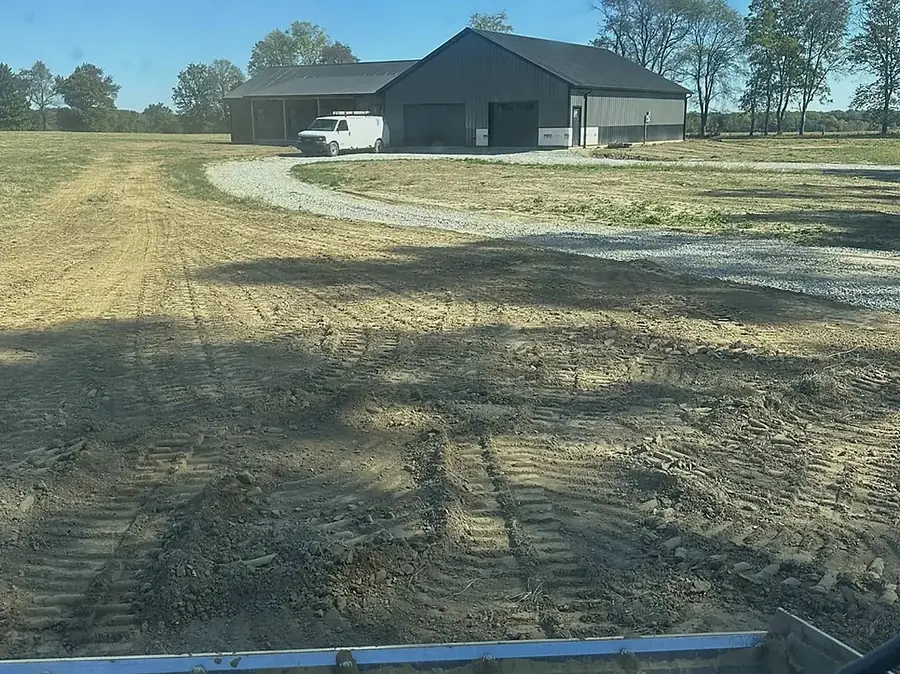
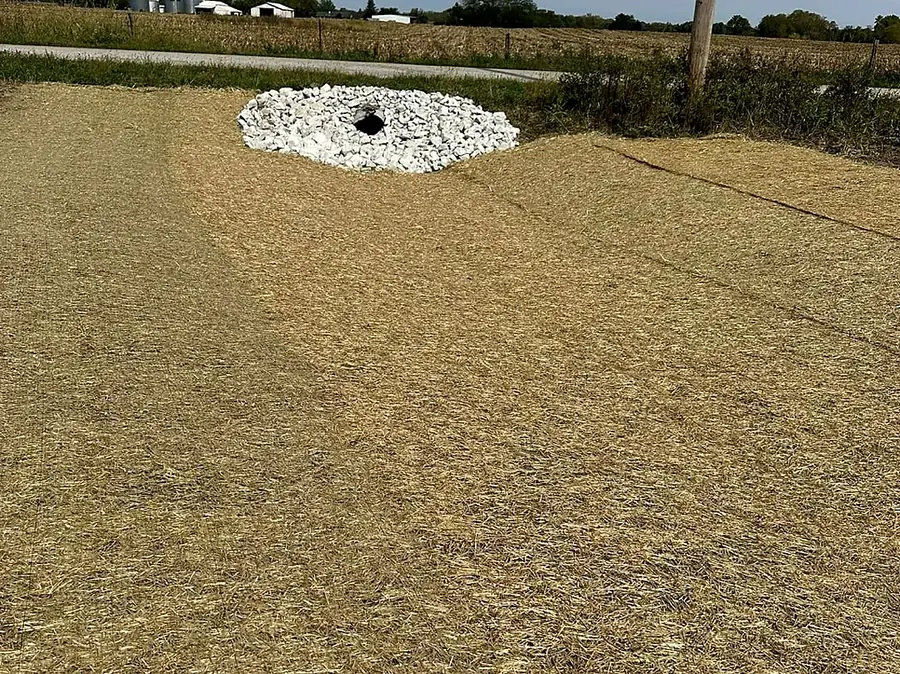
Every photograph on this site is a job On Grade did. Nothing is stock and nothing is staged. See more work. Or read about the full pond construction service.
Pond Construction: questions
Not seeing yours? Call or text (317) 203-8928 and ask Travis, or read the guides.
- GuidePond Construction in Indiana: Soil, Water, Cost and Who to Ask
- GuideYard Grading and Regrading in Indiana: Fixing Where the Water Goes
- GuideFoundation Excavation in Indiana: What Happens and in What Order
- Cost GuideBasement Excavation Cost in Indiana: What Moves the Price
- Cost GuideGravel Driveway Cost in Indiana
- GuideForestry Mulching vs Land Clearing: Which One Your Ground Needs
Will my ground in Putnam County, Indiana hold water for a pond?
Much of the county has clay-rich till that seals well, but parts of it have limestone, sand or gravel close to the surface, and those leak. The only reliable answer is a test pit at the spot you have in mind. Where the clay is short, a compacted clay liner usually fixes it.
Do I need a permit to build a pond in Putnam County, Indiana?
It depends on the pond. The Indiana DNR regulates dams above set limits on watershed size, height and stored volume, and any building, fill or excavation in a stream floodway needs DNR approval unless it is exempt. Check with the DNR Division of Water and the county before the dig is booked, and we will build to what they require.
Where on a Putnam County, Indiana farm should a new pond go?
Where enough water drains to it to keep it full but not so much that every storm overtops it, on soil that seals, and away from the floodway of a creek. On flat northern ground that is usually a dug-out in a natural low spot. In the rolling country it is often an embankment across a draw. Travis will walk it with you.
What time of year do you dig ponds in Putnam County, Indiana?
Ground that is dry enough to carry the machines and let clay compact properly makes the dig go faster and the seal hold better, which usually points to summer and early autumn. Seeding the banks goes well in spring and from late summer into early autumn. Call early and we can plan around both.
What happens to all the dirt from a pond dig?
Wherever possible it stays on your property and does a job: a pad for a barn, a berm, a raised lane or fill for a low paddock. Hauling it off is an option, but it is the costly one, so we agree a plan for the spoil before digging starts.
Land Clearing in Greencastle & Putnam County, Indiana
See the pagePutnam CountyGravel Driveways in Greencastle & Putnam County, Indiana
See the page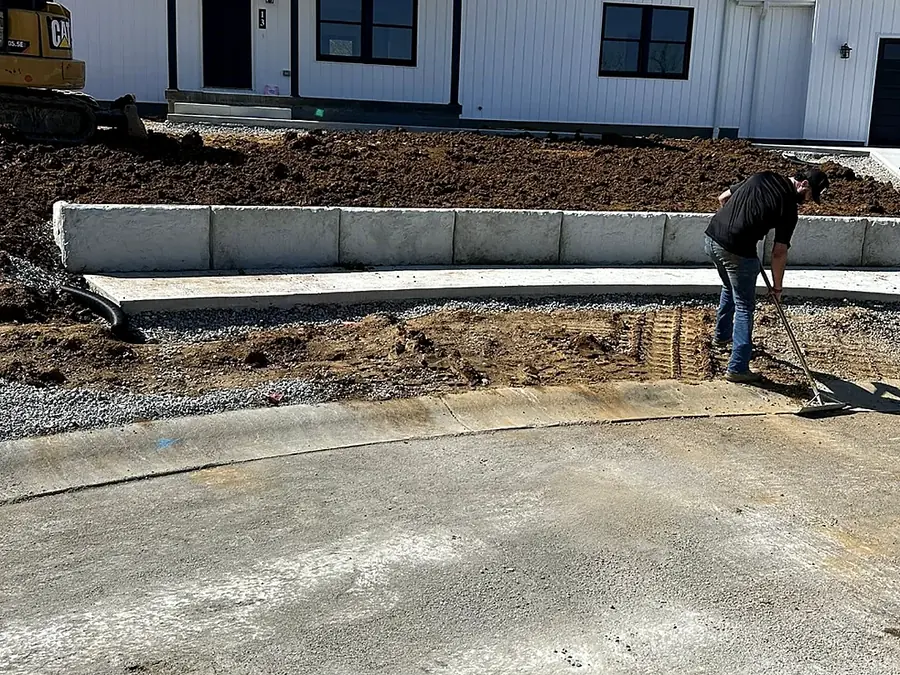 01
01Excavation & Foundation Services
Basement digs, footings, foundation excavation and backfill for new builds and additions across Indianapolis and Central Indiana.
Learn more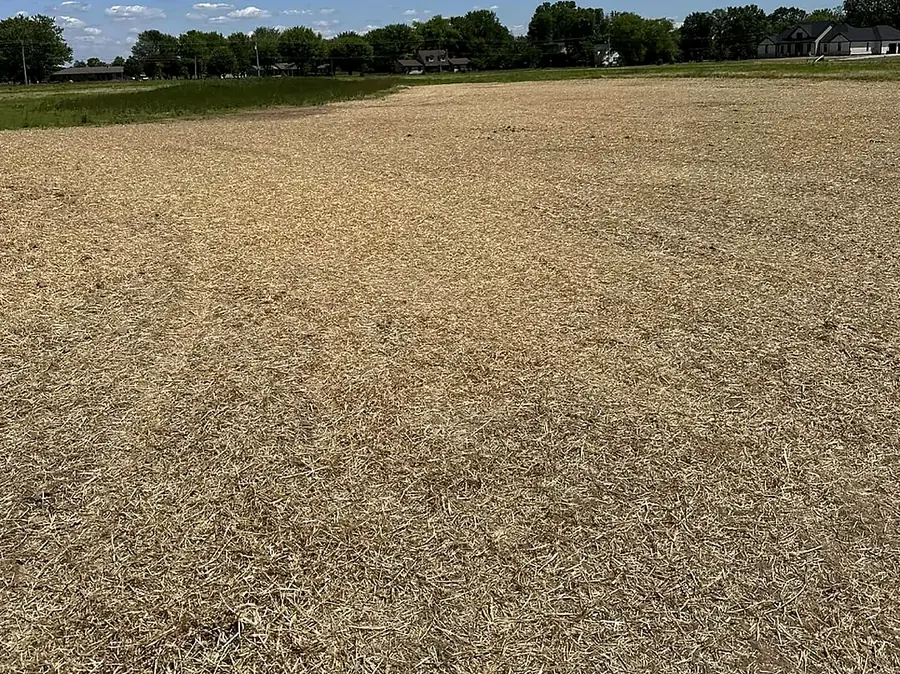 02
02Site Preparation & Construction Site Work
Clearing, stripping, cutting and rough grading a site so the builder can start on schedule.
Learn more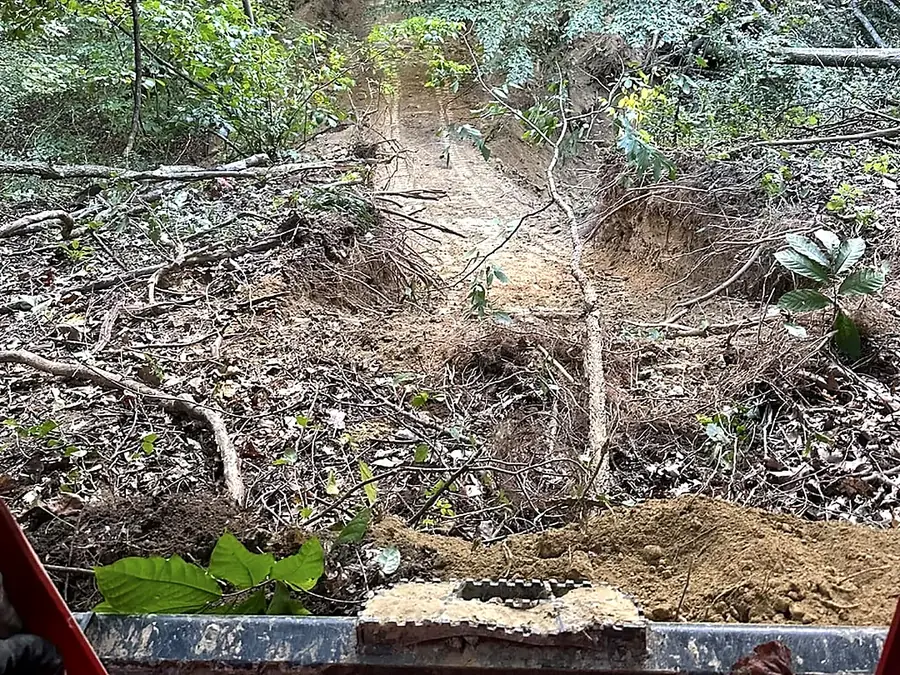 03
03Land Clearing, Lot Clearing & Forestry Mulching
Lot clearing for new builds, brush clearing on overgrown ground, and forestry mulching that leaves the chip on site.
Learn more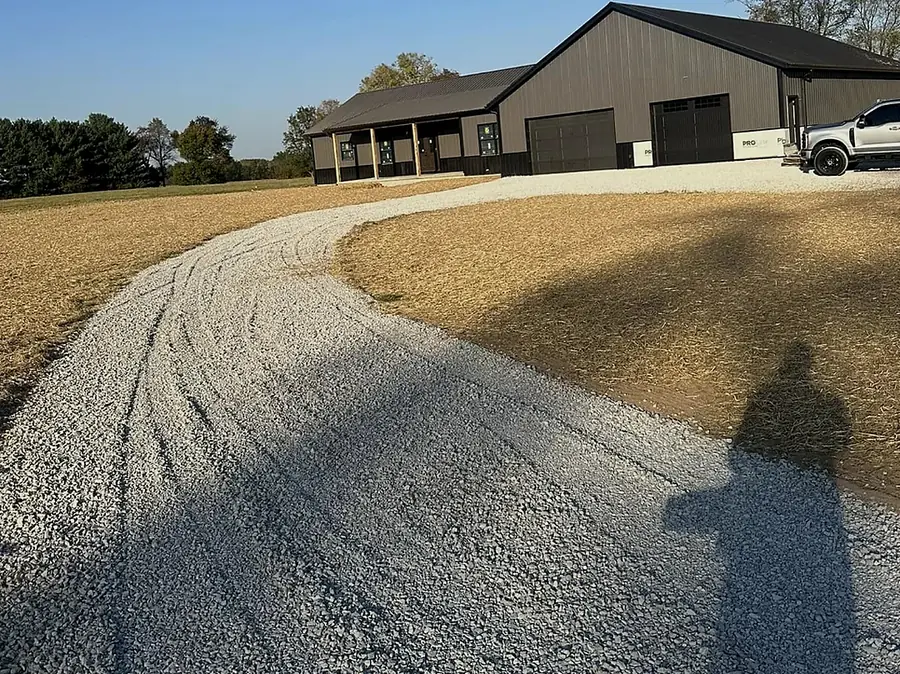 04
04Driveway Installation & Finish Grading
New stone drives, regrading washed-out drives, and the finish grade that decides whether water runs off or sits.
Learn more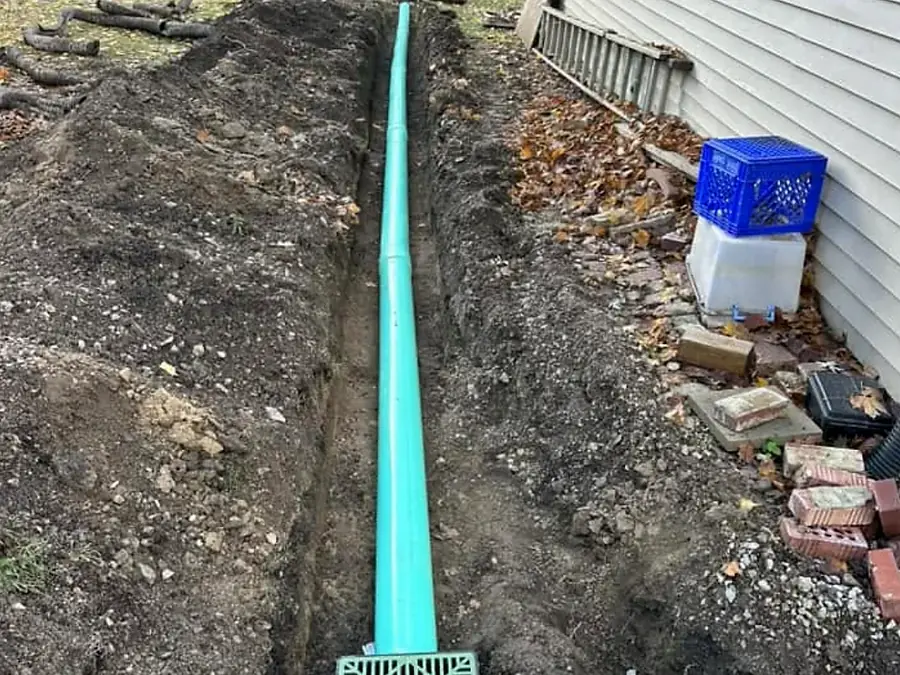 05
05Drainage, Culvert & Utility Installation
Culverts, tile, catch basins and utility trenching — moving water off the property and services onto it.
Learn more06Pond Construction & Excavation
Digging, shaping and sealing farm and property ponds, with the spoil put to work rather than hauled off.
Learn more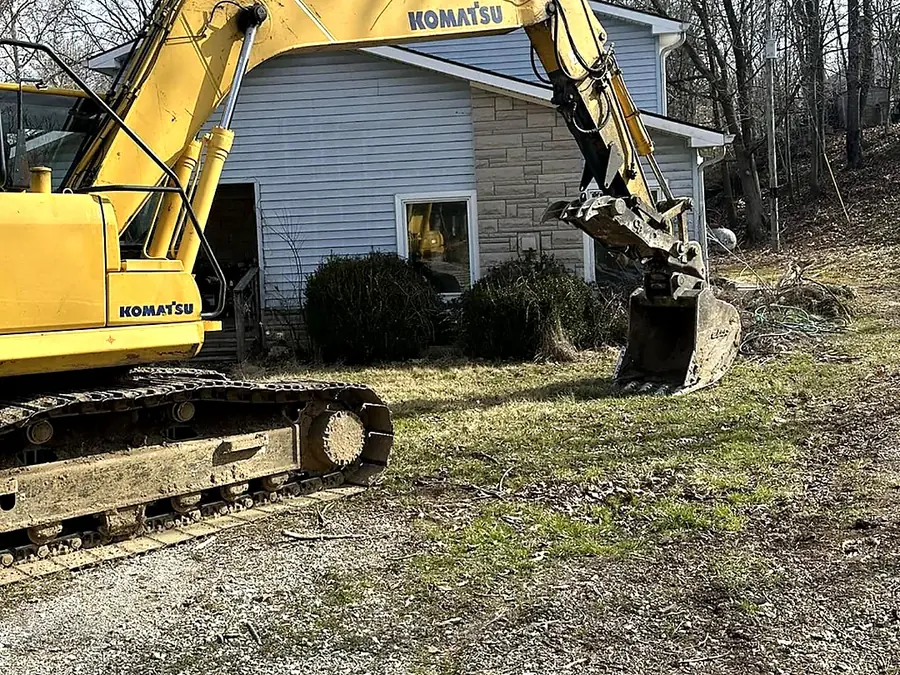 07
07Concrete Preparation & Demolition
Stone, forms and a flat compacted base for the pour — and tearing out what has to come up first.
Learn more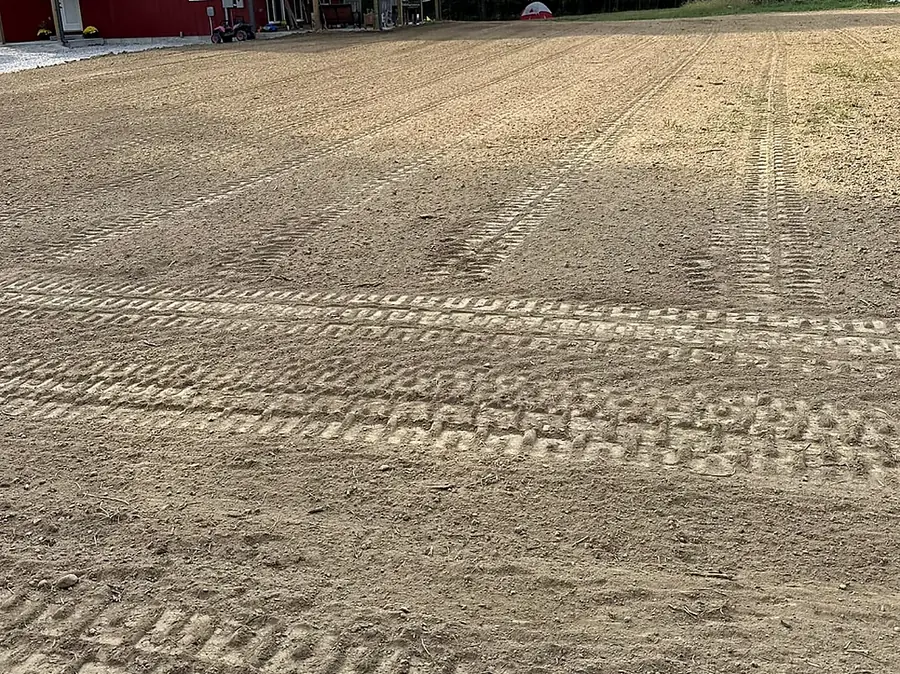 08
08Seeding, Straw & Site Restoration
The last pass: shaping topsoil, seed and straw, and leaving the ground looking like nobody dug it up.
Learn moreFree estimate in Putnam County, Indiana.
Call or text Travis with the address and what you are trying to do.
Greencastle, Indiana · Putnam, Hendricks, Boone and Marion counties
Free estimates. Straight answers.
Call or text Travis with the address and what you are trying to do.