

How to Choose a Snow Removal Contract in Indiana
Snow removal quotes are hard to compare because they are rarely pricing the same thing. One is seasonal, one is per push, one bills by the hour, and each assumes a different trigger and scope. This guide explains the four common contract types, the questions to ask any contractor, what belongs in writing, and why Indiana owners should sign before the first snow. There are no prices here.
- Free estimates
- Based in Greencastle, Indiana
- Residential and commercial
A buyer's guide to snow contracts
The four contract types
Seasonal is one amount for the winter, however often it snows, usually paid in installments. It suits owners who need a fixed budget. Per push bills each time the lot is plowed after the trigger is reached, so a long storm may mean several pushes. Per event, or per occurrence, bills once per storm, sometimes in bands by how much fell, with the start and end of an event defined in the contract.
Time and materials, or hourly, bills for the equipment time and the salt used. It fits hauling, unusual sites and storms far outside the normal range. None of these is the right answer everywhere. Seasonal moves the risk of a heavy winter to the contractor. Per push and per event leave it with the owner. In a part of Indiana where winters swing from mild to rough, that difference is the main thing you are choosing.
How to compare quotes
Line the quotes up on the same terms before looking at the totals. Is the trigger depth the same in each? A quote with a higher trigger will look lower because it plows less often. Is salt included or separate, and if separate, how is it billed? Are the walks, steps and ramps included? Is hauling included or extra? Does a seasonal quote cap the number of events, and what happens after the cap? Two quotes that differ on any of these are not the same job.
Then compare what you can check. Ask each contractor to walk the site with you, and notice who asks about the curbs, the drains, the docks and the hours the site has to be open. A quote put together without a look at the ground is a guess. Ask how each visit is logged, and whether you will see that log.
Questions to ask
Where will my property sit on the route, and what is plowed first? What trigger depth are you quoting? When does salting happen without me calling, and when does it need a call? Who decides when hauling starts? How do you handle a storm that runs all night or freezing rain with no snow? Where will the piles go, and where will they never go? What happens if the plow damages a curb, an island or the turf?
For a residential drive the questions are shorter. Is the end of the drive cleared after the street plow? Is the walk included? On a gravel drive, how is the plow set so the stone stays on the drive? For a commercial site, add one more: can you show me how a visit is logged? A contractor who answers these clearly before the season will usually be clear during it.
What to put in writing
The contract should name the contract type, the trigger depth for plowing and the trigger for salting, and the areas to be cleared, including drives, rows, docks, walks, steps and ramps. It should say whether salt and hauling are included or billed separately, and how. It should include a site map showing the areas to clear, the pile areas and the places snow must not go, such as drains, entrances, accessible spaces and fire lanes.
It should also record the existing damage found on a walk-through before winter, with photographs, and say how new damage gets reported. It should set the start and end dates of the season and how each visit is logged. On a seasonal contract, any cap on events and what happens past it belongs in writing too. For how On Grade writes these up, see commercial snow removal contracts.
When to sign in Indiana
Sign in the fall, before the first real snow, which in Central Indiana can come any time from late fall on. Snow contractors build their routes from the properties signed before the season. Signed customers are served first in every storm, and new calls are fitted in after them. Signing early also leaves time for the walk-through while the ground is bare and the curbs are still visible to mark.
If you are a homeowner with a gravel drive, the same advice applies, and fall is also the time to fix ruts or a culvert before the ground freezes. On Grade plows from Greencastle to the west side of Indianapolis; the services are listed on the snow removal and plowing page. Bring a list of what you want cleared to the first call.
Snow Removal and Plowing
Plowing, salting, hauling and sidewalks for homes and businesses from Greencastle to the west side of Indianapolis.
See the pageTalk to Travis(317) 203-8928
Call or text the address and what needs clearing: a lot, a drive, walks or all three. Travis sets the route and the terms with you before the first snow.
Call nowWhat that covers
- Seasonal. One amount for the winter, with any event cap written in.
- Per push. Billed each time the lot is plowed after the trigger.
- Per event. Billed once per storm, with the start and end defined.
- Time and materials. Equipment time and salt, for hauling and unusual storms.
- In writing. Trigger, scope, salt, hauling, site map, damage record and the log.
Snow Removal and Plowing
Plowing, salting, hauling and sidewalks for homes and businesses from Greencastle to the west side of Indianapolis.
See the pageSnow serviceCommercial Snow Plowing
Parking lots, drive lanes and loading docks plowed in a set order, with piles where the site map puts them.
See the pageSnow serviceCommercial Snow Removal Contracts
Seasonal, per-push, per-event and time-and-materials snow contracts, written and signed before the first storm.
See the pageSnow serviceDriveway Snow Plowing
House drives, long gravel drives, private lanes and subdivision drives, plowed per push or by the season.
See the pageSnow serviceSalting and Ice Management
Pre-treating before freezing rain, salting after the plow, and going back out when meltwater refreezes.
See the pageRelated <span class="gt">snow pages</span>
For the plowing side, see commercial snow plowing for parking lots, and for the ice side, salting and ice management. Homeowners comparing quotes for a house drive or a long lane can read driveway snow plowing, which covers per push and seasonal agreements for homes. Each page explains how On Grade sets up that part of the work.
Set up before the first snow.
You call
Call, text or send the form with the address and what needs clearing: a lot, a drive, walks, or all of it.
Travis walks it
Before the season he walks the property with you, marks curbs, drains and islands, and agrees where the snow goes.
Terms in writing
Seasonal, per push or per event, the trigger, salt and walks are written down, so nobody argues at five in the morning.
Cleared when it falls
When it snows, the property is worked in the order agreed, salted if it is in the contract, and logged.
The machines and the crew.
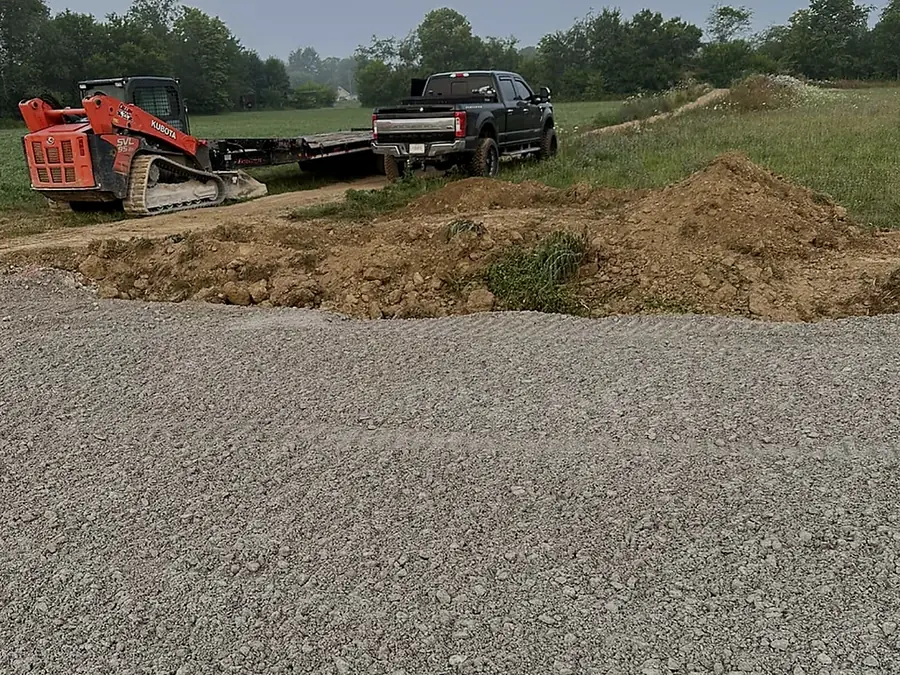
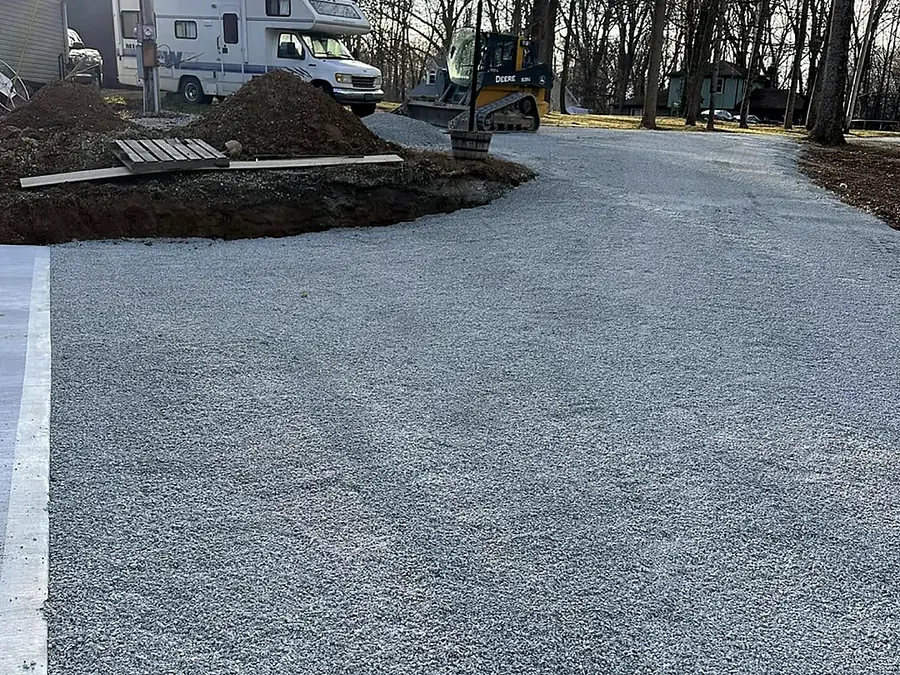
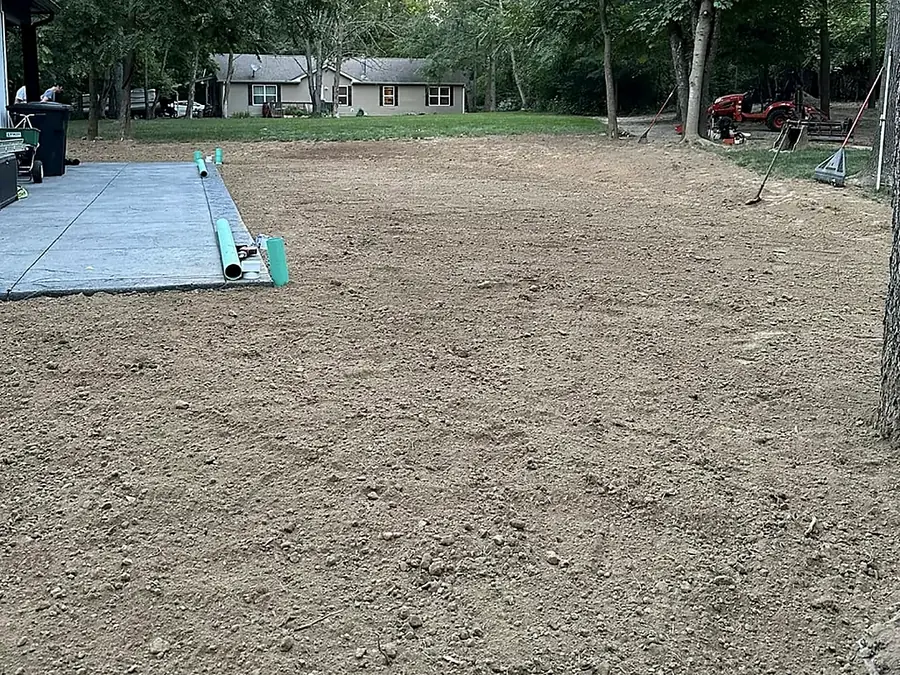
These are photographs from Travis's actual jobs: the same equipment and the same crew that run the snow routes. See more recent work.
Questions people ask
Not seeing yours? Call (317) 203-8928 and ask Travis, or read the guides.
What is the difference between per push and per event?
Per push bills each time the plow clears the lot after the trigger is reached, so a long storm can mean several pushes. Per event bills once per storm, however many times the lot is plowed during it. The contract has to define when an event starts and ends, or the two can be argued over after a storm that stopped and started again.
Why are snow removal quotes so different?
Usually because they are not quoting the same job. Different trigger depths, whether salt and walks are included, whether hauling is extra, and whether a seasonal price has a cap all change the number. Line the quotes up on the same terms before comparing totals, and ask each contractor to walk the site.
Is a seasonal snow contract worth it?
It depends on how much a fixed budget matters to you. A seasonal contract costs the same in a light winter as in a heavy one. It suits HOAs, churches and businesses that need to know the cost in advance. Owners who can carry some risk often save in a mild winter with per push or per event.
When should I sign a snow removal contract in Indiana?
In the fall, before the first real snow. Contractors build their routes from properties signed before the season, and those get served first. Signing early also allows a walk-through while the ground is bare, so curbs, drains and drive edges can be marked before the snow hides them.
What should a snow removal contract include?
The contract type, the plowing and salting triggers, the areas to clear, whether salt, walks and hauling are included, a site map with pile areas and no-pile areas, a record of existing damage, how new damage is handled, the season dates, any event cap, and how each visit is logged.
Other work he takes on
Most jobs end up being two or three of these at once, and they get quoted together.
Snow removal in other towns
Excavation & Site Prep
Sites stripped, cut and graded, ready for the builder.
Learn moreFoundation & Basement Excavation
Basements, crawl spaces and footings dug to grade and backfilled.
Learn moreDrainage, Culverts & Utilities
Water moved off yards and away from foundations; culverts and service lines set.
Learn moreDriveways & Finish Grading
Gravel drives built and crowned; yards finish graded for seed.
Learn moreLand Clearing & Forestry Mulching
Lots and acreage cleared, brush mulched in place.
Learn moreBuilding & Pole Barn Pads
Pads cut, filled and compacted for barns, shops and houses.
Learn moreFree snow contract estimate.
Call or text Travis. Snow contracts and one-off plowing, set up before the first snow.
Greencastle, Indiana · Putnam, Hendricks, Boone and Marion counties
Snow removal where you are
Each town has its own page: what winter does there, what gets plowed and how the contracts are set up.
Comparing snow removal quotes?
Call Travis at (317) 203-8928 to walk the site and get a quote in writing.