

Salting and Ice Management in Central Indiana
In Central Indiana the ice is usually the bigger problem than the snow. Freezing rain, a sunny afternoon that melts the piles and a hard freeze after dark can glaze a lot that was plowed clean that morning. On Grade salts and treats parking lots, drives, walks and entrances from Greencastle to the west side of Indianapolis, before the ice forms, after the plow, and again when it refreezes.
- Free estimates
- Based in Greencastle, Indiana
- Residential and commercial
Ice management, before and after
Why ice is the liability
Snow is easy to see. People slow down, take shorter steps and hold the rail. A thin sheet of ice on dark pavement looks like a wet spot, and that is where people fall. On a commercial property, the first question after a fall is when the surface was last treated. A plowed lot with no salt can be more dangerous than an unplowed one, because it looks safe and people stop watching their feet.
This part of Indiana sits in the band where winter storms often arrive as a mix: rain, sleet and freezing rain on either side of the snow, with temperatures that swing above and below freezing within a day. That is why ice management is planned as its own service with its own trigger. It is often needed on days when there is no snow to plow at all.
Pre-treating before freezing rain
When freezing rain or a quick snow on cold pavement is in the forecast, salt goes down before it starts. A layer of salt on the pavement keeps the first water from bonding to the surface, so what lands turns to slush instead of a glaze. It is far easier to keep ice from bonding than to break it loose once it has. Pre-treating is most useful on entrances, drive lanes, ramps and walks, where people and traffic come first.
Timing matters. Salt put down too early in a cold rain can wash off before the freeze arrives, and salt put down too late is chasing ice that has already formed. So pre-treating is called from the forecast, and the contract should say whether On Grade decides when to go out or waits to be called. If the call is left to the owner, the owner has to watch the forecast too.
Re-treating after the refreeze
The storm is often not the worst of it. The day after a snow, the sun melts the edges of the piles and the water runs across the lot. After dark it freezes into a sheet exactly where people walk from their cars. Lots with piles on the high side, or with drains buried under snow, get this every night until the piles are gone. Re-treating those areas in the evening or before opening is what keeps a lot safe through the thaw.
Plowing well cuts down how much re-treating a lot needs. Piles placed on the low side, away from walks and drains, send their meltwater off the pavement instead of across it. Drains kept clear of snow do the same job. That is one reason pile areas go on the site map before the season, as described on commercial snow plowing for parking lots.
Salt, concrete and plantings
Salt does its job and it has costs. New concrete in its first winter is more easily damaged by salt and repeated freezing, and the surface can flake. Older concrete in poor shape suffers too. Salt also builds up in the soil along walks and islands, and plantings in those strips can brown or die back by spring. Rock salt also works more slowly in hard cold, which is when the amount spread tends to creep up.
So the amount and placement are matched to the surface. Walks next to new concrete or planting beds can get a lighter hand, with salt kept on the paving rather than thrown into the beds. If you have new concrete or plantings you are worried about, say so at the walk-through and it goes on the site map. Grit can be used where salt is a concern.
How salting is written up
Salting can be included with every plow visit, billed each time it is spread, or called for only when ice is expected. Each visit is logged with the time and the areas treated, which matters if anyone later asks when the lot was last salted. The contract options are laid out on commercial snow removal contracts, and the walks and steps that often need the most salt are covered on sidewalk snow removal.
Homeowners can add salting to a driveway agreement too, usually on the steep or shaded part of the drive, the apron at the road and the walk to the door. Gravel drives rarely need salt. Packed snow on stone gives better grip than ice on concrete, and grit can be spread on a slope where it does not. Grit leaves a mess to sweep up in spring, so it is kept to the spots that need it.
Snow Removal and Plowing
Plowing, salting, hauling and sidewalks for homes and businesses from Greencastle to the west side of Indianapolis.
See the pageTalk to Travis(317) 203-8928
Call or text the address and what needs clearing: a lot, a drive, walks or all three. Travis sets the route and the terms with you before the first snow.
Call nowWhat that covers
- Pre-treating. Salt down before freezing rain or snow on cold pavement.
- Post-plow salting. Treating the thin layer the plow leaves behind.
- Refreeze runs. Going back out when meltwater from piles freezes overnight.
- Walks and entrances. Steps, ramps and doorways treated with the lot.
- Application log. Time and areas recorded for every treatment.
Snow Removal and Plowing
Plowing, salting, hauling and sidewalks for homes and businesses from Greencastle to the west side of Indianapolis.
See the pageSnow serviceCommercial Snow Plowing
Parking lots, drive lanes and loading docks plowed in a set order, with piles where the site map puts them.
See the pageSnow serviceCommercial Snow Removal Contracts
Seasonal, per-push, per-event and time-and-materials snow contracts, written and signed before the first storm.
See the pageSnow serviceDriveway Snow Plowing
House drives, long gravel drives, private lanes and subdivision drives, plowed per push or by the season.
See the pageSnow serviceSidewalk Snow Removal
Walks, entrances, steps, ramps and business frontage cleared and treated on the same visit as the lot.
See the pageSalting from Greencastle <span class="gt">eastward</span>
On Grade salts lots, drives and walks in Putnam, Hendricks and Boone counties and on the west side of Indianapolis. Freezing rain and refreeze hit the open ground around snow removal in Danville and the busy retail lots further east alike. The full list of snow work is on the snow removal and plowing page.
Set up before the first snow.
You call
Call, text or send the form with the address and what needs clearing: a lot, a drive, walks, or all of it.
Travis walks it
Before the season he walks the property with you, marks curbs, drains and islands, and agrees where the snow goes.
Terms in writing
Seasonal, per push or per event, the trigger, salt and walks are written down, so nobody argues at five in the morning.
Cleared when it falls
When it snows, the property is worked in the order agreed, salted if it is in the contract, and logged.
The machines and the crew.
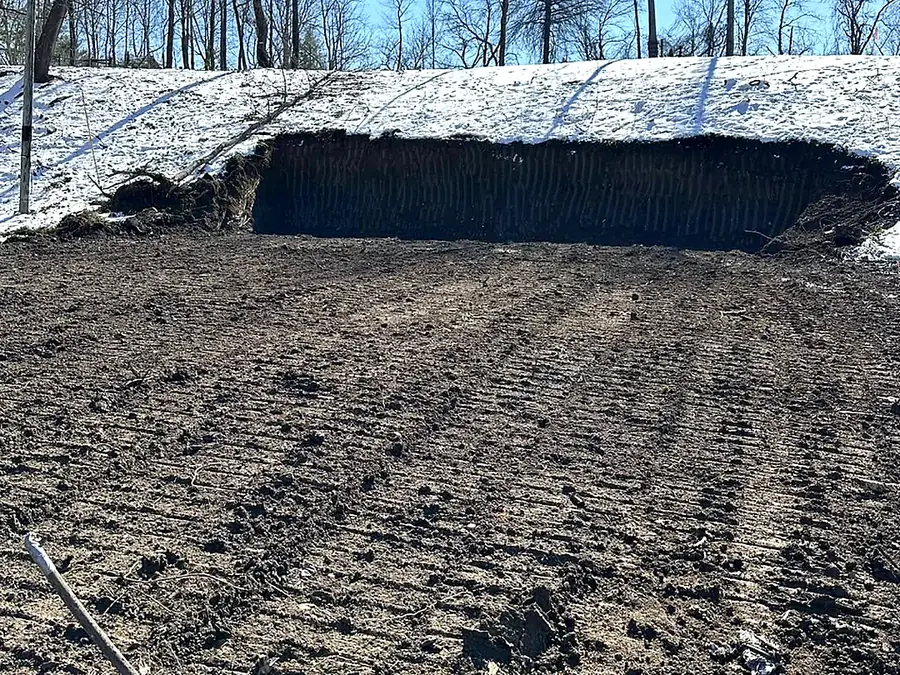
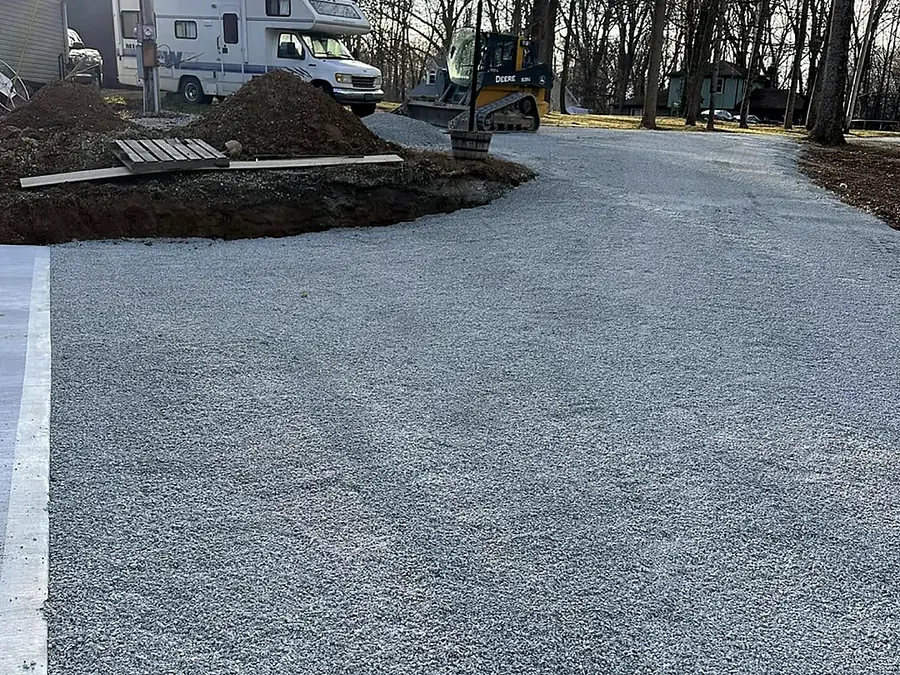
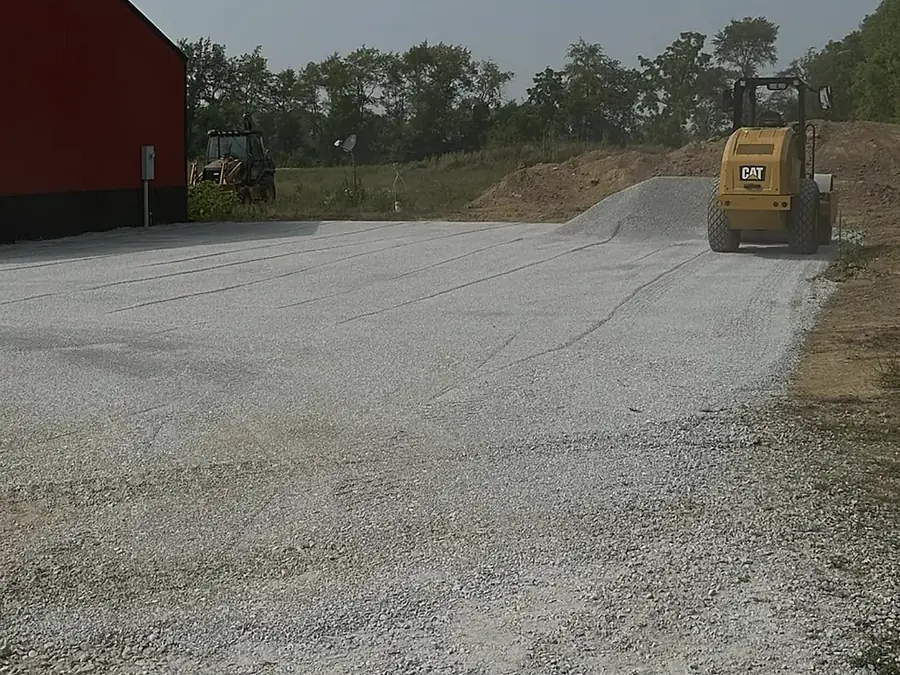
These are photographs from Travis's actual jobs: the same equipment and the same crew that run the snow routes. See more recent work.
Questions people ask
Not seeing yours? Call (317) 203-8928 and ask Travis, or read the guides.
Do I need salting if the lot is already plowed?
Usually, yes. A plow leaves a thin layer on the pavement, and traffic and a cold night turn it to ice. Salt after the plow melts that layer before it bonds. The exception is a dry, very light snow on a cold day that the plow lifts cleanly, but in Central Indiana most storms come with enough moisture or a thaw to need salt.
What is pre-treating?
Putting salt down before freezing rain or snow begins, so the first water to land cannot bond to the pavement. It turns what would have been a glaze into slush that is easy to clear. It is most useful on entrances, drive lanes, ramps and walks. It is called from the forecast, so the timing has to be right.
Why does my lot ice over the day after it was plowed?
Meltwater. The sun softens the piles during the day, the water runs across the pavement, and it freezes after dark. Lots where the piles sit on the high side or over drains get this the worst. Re-treating in the evening or early morning handles it, and placing piles on the low side cuts down how often it happens.
Will salt damage my concrete or plantings?
It can. New concrete in its first winter, and older concrete in poor shape, is more easily damaged by salt and freeze-thaw cycles. Salt that builds up in the soil can also harm plantings along walks and islands. Tell Travis about new concrete or beds you want to protect, and the amount and placement are adjusted, or grit is used instead.
Is salting billed separately from plowing?
It can be either way, and the owner chooses. Some contracts include salt on every visit. Others bill each application, or only salt when called. What matters is that the contract says which, and that every treatment is logged with the time and areas covered.
Other work he takes on
Most jobs end up being two or three of these at once, and they get quoted together.
Snow removal in other towns
Excavation & Site Prep
Sites stripped, cut and graded, ready for the builder.
Learn moreFoundation & Basement Excavation
Basements, crawl spaces and footings dug to grade and backfilled.
Learn moreDrainage, Culverts & Utilities
Water moved off yards and away from foundations; culverts and service lines set.
Learn moreDriveways & Finish Grading
Gravel drives built and crowned; yards finish graded for seed.
Learn moreLand Clearing & Forestry Mulching
Lots and acreage cleared, brush mulched in place.
Learn moreBuilding & Pole Barn Pads
Pads cut, filled and compacted for barns, shops and houses.
Learn moreFree salting and ice estimate.
Call or text Travis. Snow contracts and one-off plowing, set up before the first snow.
Greencastle, Indiana · Putnam, Hendricks, Boone and Marion counties
Snow removal where you are
Each town has its own page: what winter does there, what gets plowed and how the contracts are set up.
Need ice management this winter?
Call Travis at (317) 203-8928 to set up salting before the first freezing rain.