

Snow Hauling and Relocation
Every lot has room for so much snow. After a big storm, or late in a winter that keeps adding to the piles, they start taking parking spaces, narrowing drive lanes and blocking sight lines at the entrance. On Grade loads them with the skid steer and either stacks them higher in a better spot on the site or trucks them off.
- Free estimates
- Based in Greencastle, Indiana
- Residential and commercial
When the lot runs out of room
Signs it is time to move it
The first sign is lost parking. Rows that used to hold a full line of cars are short three or four spaces at the end, because the plow has nowhere left to push. Then drive lanes narrow, and cars and trucks squeeze past each other. Piles at an entrance start blocking the view of the road, which is a real hazard on a busy street. And piles over or near drains mean meltwater refreezes across the lot every night.
Most lots in Central Indiana handle an ordinary winter with the pile areas they have. It is the big storm, or a long cold stretch where nothing melts between snows, that fills them up. That is when relocation or hauling becomes part of the work. The pile areas themselves are set before the season, as covered on commercial snow plowing for parking lots. Those are the winters to plan for.
Stacking and relocating on site
Moving snow on the site is usually the first answer, and it costs less than trucking it away. A plow can only push a pile so high. A skid steer with a bucket can lift snow off the edge of a pile and stack it much higher, which frees up the spaces and lane width the plow had to give up. Snow can also be carried from a bad spot, like an entrance or a drain, to an open corner or a back edge of the lot.
Where the snow goes still matters. Stacked piles belong on the low side, away from walks, doors and drains, and clear of the sight lines at entrances. Tall piles take a long time to melt, so they should sit where meltwater runs off the pavement. Stacked piles also need to stay clear of light poles, fences and hydrants. If a site has no such spot left, the snow has to leave.
Loading out and hauling it off
Hauling means loading the piles into trucks with the skid steer and carrying the snow off the property. It is heavier work than plowing and it is usually done when the lot is empty, overnight or on a weekend, so the trucks and the loader have room to move. The snow goes to a place the owner has agreed to or that has been arranged ahead of time, not dumped onto a neighbor's lot or into a waterway.
On Grade already runs the skid steer and hauls loads of stone and dirt through the building season. Hauling snow uses the same equipment and the same habits: loading cleanly, keeping the trucks off the soft edges, and leaving the lot tidy. For a site that runs out of room every winter, it makes sense to agree a hauling plan before the first snow.
How hauling is billed
Hauling and relocation are usually billed as time and materials, by equipment time and trucks, because the amount of snow and the distance vary so much from one storm to the next. That keeps the bill tied to the work actually done. Some seasonal contracts include a set amount of relocation or call it out as extra. Either way, the contract should say who decides when hauling starts and whether it needs the owner's approval each time.
The four common contract types are covered on commercial snow removal contracts. For a property manager, the useful thing to decide in the fall is where snow can be stacked, where it must never go, and at what point it should be hauled instead. That turns a messy decision in a February storm into a phone call that has already been planned.
Homes, farms and private lanes
Hauling is mostly a commercial job, but rural properties and homes with short drives and tight lots can need it too. A long lane that drifts shut after wind across open fields may need the drifts pushed back or loaded out so the next snow has somewhere to go. A house drive between two garages can run out of room by midwinter. The skid steer can push back the banks so the plow has space again.
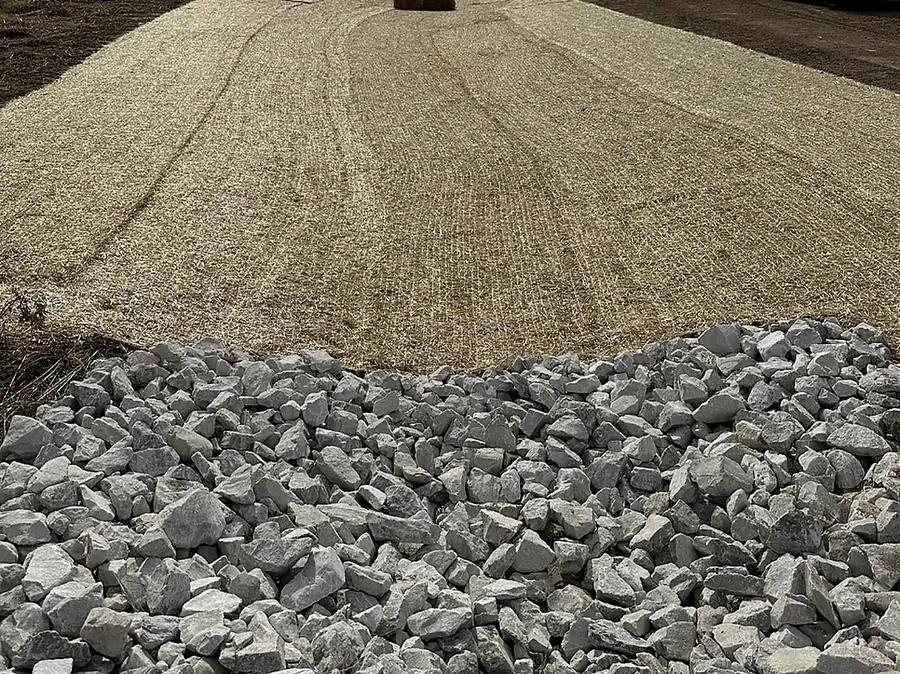
On farm properties the snow can often be carried to the edge of a field or a lot rather than trucked away. For house drives and lanes, see driveway snow plowing. On Grade also builds and repairs the gravel drives and lanes it clears, so any stone pulled up with the snow can be put back in spring. Fences, gates and culvert ends get marked first.
Snow Removal and Plowing
Plowing, salting, hauling and sidewalks for homes and businesses from Greencastle to the west side of Indianapolis.
See the pageTalk to Travis(317) 203-8928
Call or text the address and what needs clearing: a lot, a drive, walks or all three. Travis sets the route and the terms with you before the first snow.
Call nowWhat that covers
- Stacking piles higher. Skid steer lifts snow off the edge to free up spaces and lanes.
- On-site relocation. Snow moved off entrances, drains and walks to an open corner.
- Loading and hauling. Piles loaded into trucks and carried to an agreed place.
- Pushing back banks. Drive and lane edges widened so the next snow has room.
- Pre-season plan. Stack areas, no-pile areas and the point where hauling starts.
Snow Removal and Plowing
Plowing, salting, hauling and sidewalks for homes and businesses from Greencastle to the west side of Indianapolis.
See the pageSnow serviceCommercial Snow Plowing
Parking lots, drive lanes and loading docks plowed in a set order, with piles where the site map puts them.
See the pageSnow serviceCommercial Snow Removal Contracts
Seasonal, per-push, per-event and time-and-materials snow contracts, written and signed before the first storm.
See the pageSnow serviceDriveway Snow Plowing
House drives, long gravel drives, private lanes and subdivision drives, plowed per push or by the season.
See the pageSnow serviceSalting and Ice Management
Pre-treating before freezing rain, salting after the plow, and going back out when meltwater refreezes.
See the pageSnow hauling <span class="gt">nearby</span>
On Grade hauls and relocates snow for lots in Putnam, Hendricks and Boone counties and on the west side of Indianapolis, where tight retail and office lots fill up fastest. There is a town page for snow removal in Zionsville with local detail, and every snow service is on the snow removal and plowing page.
Set up before the first snow.
You call
Call, text or send the form with the address and what needs clearing: a lot, a drive, walks, or all of it.
Travis walks it
Before the season he walks the property with you, marks curbs, drains and islands, and agrees where the snow goes.
Terms in writing
Seasonal, per push or per event, the trigger, salt and walks are written down, so nobody argues at five in the morning.
Cleared when it falls
When it snows, the property is worked in the order agreed, salted if it is in the contract, and logged.
The machines and the crew.
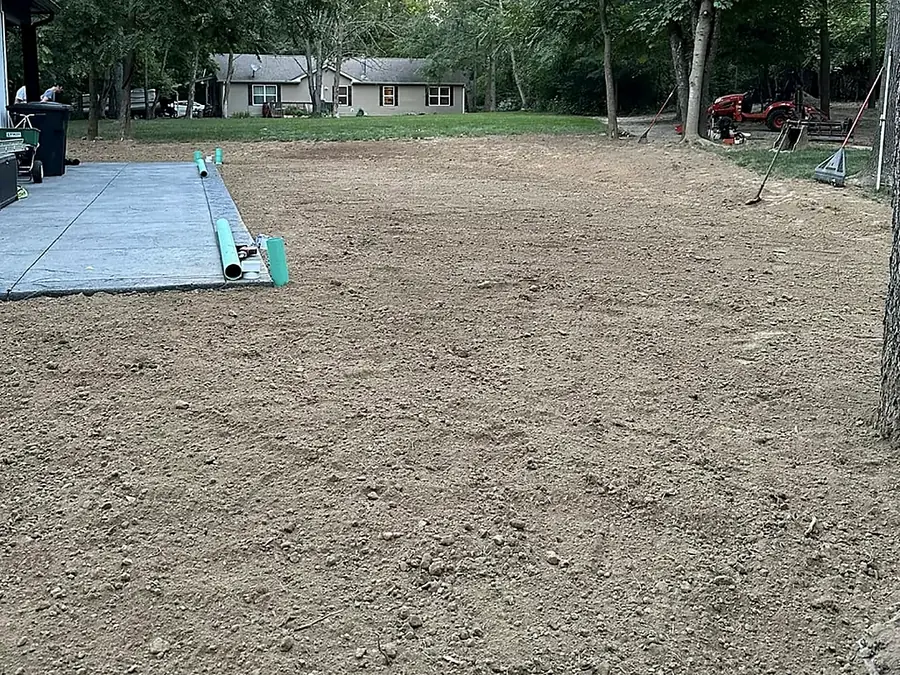
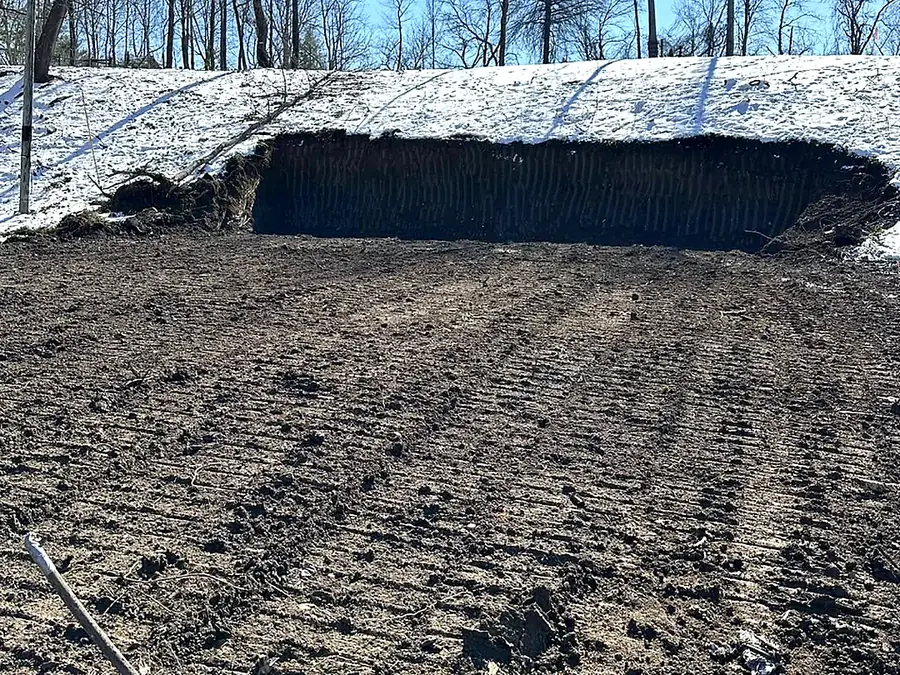
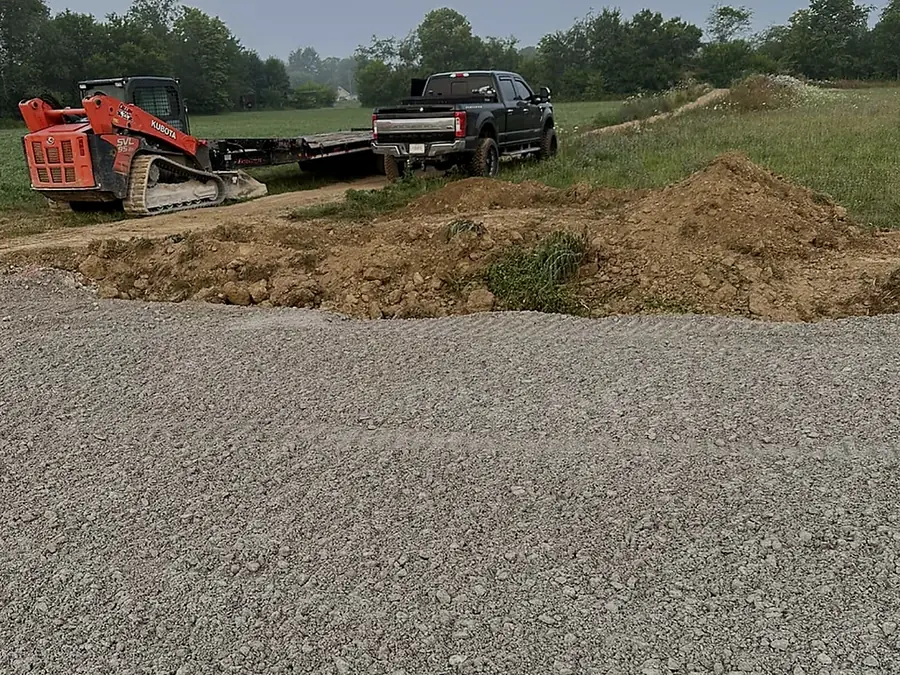
These are photographs from Travis's actual jobs: the same equipment and the same crew that run the snow routes. See more recent work.
Questions people ask
Not seeing yours? Call (317) 203-8928 and ask Travis, or read the guides.
What is the difference between snow relocation and snow hauling?
Relocation moves snow on the same property, usually from a bad spot like an entrance or a drain to an open corner, or stacks piles higher with the skid steer to free up space. Hauling loads the snow into trucks and takes it off the property. Relocation is usually tried first because it is less work.
When does a lot need snow hauled off?
When the pile areas are full and there is nowhere left on the site to stack. The signs are lost parking spaces, narrow drive lanes, blocked sight lines at the entrance and meltwater refreezing across the lot from piles near drains. In Central Indiana that usually follows a big storm or a long cold stretch where nothing melts.
Where does hauled snow go?
To a place agreed ahead of time, often another part of the owner's property or a site arranged for it. It should not be dumped on a neighbor's lot, onto a public road or into a creek or ditch. Snow from a parking lot carries salt, grit and oil, so where it melts matters.
How is snow hauling priced?
Usually by equipment time and trucks, as time and materials, because the amount of snow and the distance change with every storm. Some seasonal contracts include a set amount of relocation. The contract should say who decides when hauling starts and whether the owner approves it each time.
Can you push back the banks on my driveway or lane?
Yes. When the banks along a drive or a rural lane get too high, the next snow has nowhere to go and the drive narrows. The skid steer can push them back or load them out. On long lanes across open ground, drifts can be cleared the same way after a windy night.
Other work he takes on
Most jobs end up being two or three of these at once, and they get quoted together.
Snow removal in other towns
Excavation & Site Prep
Sites stripped, cut and graded, ready for the builder.
Learn moreFoundation & Basement Excavation
Basements, crawl spaces and footings dug to grade and backfilled.
Learn moreDrainage, Culverts & Utilities
Water moved off yards and away from foundations; culverts and service lines set.
Learn moreDriveways & Finish Grading
Gravel drives built and crowned; yards finish graded for seed.
Learn moreLand Clearing & Forestry Mulching
Lots and acreage cleared, brush mulched in place.
Learn moreBuilding & Pole Barn Pads
Pads cut, filled and compacted for barns, shops and houses.
Learn moreFree snow hauling estimate.
Call or text Travis. Snow contracts and one-off plowing, set up before the first snow.
Greencastle, Indiana · Putnam, Hendricks, Boone and Marion counties
Snow removal where you are
Each town has its own page: what winter does there, what gets plowed and how the contracts are set up.
Lot running out of room?
Call Travis at (317) 203-8928 to stack, relocate or haul the piles.